


The Social Side of Dog Walking: Why It Matters More Than You Think

The Social Side of Dog Walking: Why It Matters More Than You Think

There’s something quietly powerful about the social side of dog walking, what happens when dog walkers and owners meet in open, public spaces. A quick “morning!”, a shared laugh about muddy paws, a chat about training or harnesses, these small interactions add up to something much bigger.
As professional walkers working across West London, we see it every day: dogs socialising, owners connecting, and communities forming, all because of a shared love of dogs.
Let’s explore why this happens, and why it’s so beneficial for both pets and people.
Why Dog Walkers Naturally Interact in Public Spaces
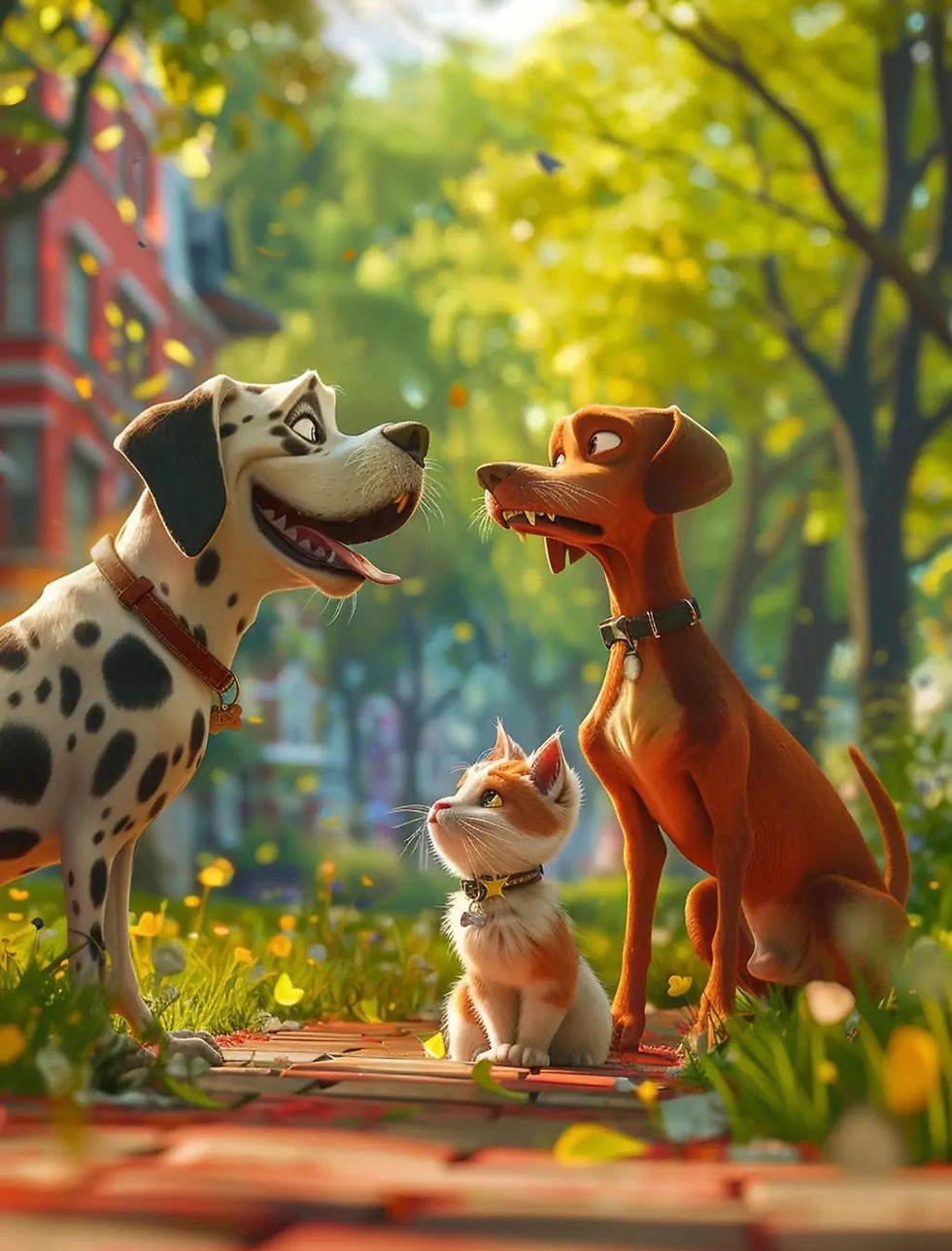
Dogs are social animals by nature. When two dogs notice each other in a park, curiosity kicks in. That curiosity pulls the humans together too.
Open public spaces, parks, commons, riverside paths act as natural meeting points. In the huge number of London outdoor facilities there’s an unspoken understanding: you’re likely to meet other dog people.
Dogs break social barriers for us. Conversations start more easily when there’s a wagging tail involved. Instead of awkward small talk, you have an instant shared topic:
“How old is she?”
“What breed is he?”
“Does yours pull on the lead too?”
The dog becomes the social bridge.
The Benefits for Dogs: Social Skills, Confidence & Enrichment
Just like humans, dogs develop better emotional resilience through healthy social exposure.
1. Improved Social Skills
When dogs meet regularly in controlled, positive ways, they learn:
Appropriate greeting behaviours
How to read body language
When to disengage
How to share space calmly
This reduces the likelihood of fear-based or reactive behaviours later.
2. Increased Confidence
Young dogs especially benefit from varied social experiences. Meeting different breeds, sizes, and personalities builds adaptability. Confident dogs are generally calmer dogs.
3. Mental Stimulation
Social interaction is mentally enriching. Sniffing, reading signals, navigating play, it all exercises the brain. Mental stimulation can reduce boredom-driven behaviours at home.
4. Energy Regulation
Off-lead social play (when safe and appropriate) allows dogs to burn energy naturally. Balanced energy often means better behaviour on lead and at home.
The Benefits for Owners: Connection & Community
The social benefits don’t stop with the dogs.
1. Reduced Isolation
Dog ownership increases daily social interaction. Studies have shown that dog owners are more likely to speak to neighbours and form local connections than non-dog owners.
2. Mental Wellbeing
Fresh air, movement, and light conversation can significantly improve mood. Regular dog walking routines help reduce stress and increase feelings of belonging.
3. Shared Knowledge
Owners exchange advice about:
Training techniques
Vets and groomers
Harnesses and equipment
Behaviour challenges
It becomes an informal support network.
4. Stronger Community Safety
Familiar faces in parks create safer environments. Regular walkers look out for each other. There’s a sense of collective responsibility.
Why Professional Dog Walkers Play a Unique Role
Professional walkers act as connectors within these micro-communities.
Because we walk multiple dogs and meet multiple owners daily, we:
Facilitate controlled, positive dog introductions
Model good leash handling and recall
Share reliable advice
Maintain calm group dynamics
When done professionally, group walks are not chaotic free-for-alls. They’re structured social environments that promote healthy behaviour.
That balance between freedom and structure is where the real magic happens.
Interesting Facts About Dogs & Social Behaviour
Dogs use body language far more than vocalisation when communicating with other dogs.
Play bows (front legs down, rear up) are universal canine signals meaning “this is just play.”
Dogs who have positive early social experiences are statistically less likely to develop reactivity later in life.
Regular exposure to varied environments improves a dog’s adaptability and lowers stress responses in unfamiliar situations.
The Bigger Picture: More Than Just a Walk
What looks like “just a walk” is actually:
Social learning for dogs
Emotional regulation practice
Physical exercise
Mental stimulation
Community building
Human connection
In a busy city environment, these daily moments matter. They create familiarity, routine, and trust.
And perhaps most importantly they remind us that we’re not walking alone.
When Dog Walks Turn Into Coffee Meetings & Community Groups
One of the loveliest (and often unexpected) outcomes of regular dog walking is what happens after the walk.
What starts as casual chats between neighbours, a quick conversation while the dogs sniff hello, can gradually turn into something more meaningful. Over time, familiar faces become friendly faces. Friendly faces become friendships.
It’s not unusual for small local groups to form organically from these park meet-ups. Sometimes it begins with:
“Anyone fancy a coffee after this? or "let's all meet up for a coffee" or a wine even!!
From there, informal routines develop. A handful of neighbours might meet once a week or once a month, sometimes with the dogs, sometimes without, simply to catch up, welcome new people, and strengthen that sense of local connection.
These groups aren’t exclusively created through dog walking, but dog walking often acts as the catalyst. Dogs make introductions easier. They remove awkwardness. They give people a shared starting point.
In fact, there is a local group W & NW London that meets regularly just to connect, chat, and make new friends. While not solely born from dog walking, many of its members meet through park conversations and shared walks.
That’s the ripple effect.
A simple daily routine, stepping outside with your dog, can quietly build:
Neighbourly trust
Social circles
Support networks
Real-world friendships
In a city environment where people can live side by side without ever speaking, pet parents and socially aware neighbours gently change that dynamic.
It reminds us that community doesn’t have to be forced. Sometimes it just starts with two dogs meeting in a park, a quick browse on you neighbourly social media websites or two people deciding to say hello!
Final Thoughts
Dog walking is about much more than exercise. It’s about social development, confidence building, and strengthening local community ties.
When done thoughtfully and professionally, open-space dog interactions benefit everyone involved, especially the dogs.
Was this post useful?
0%Yes, I love meeting other pet parents.
0%Not really, I usually keep myself to myself.


Comments